
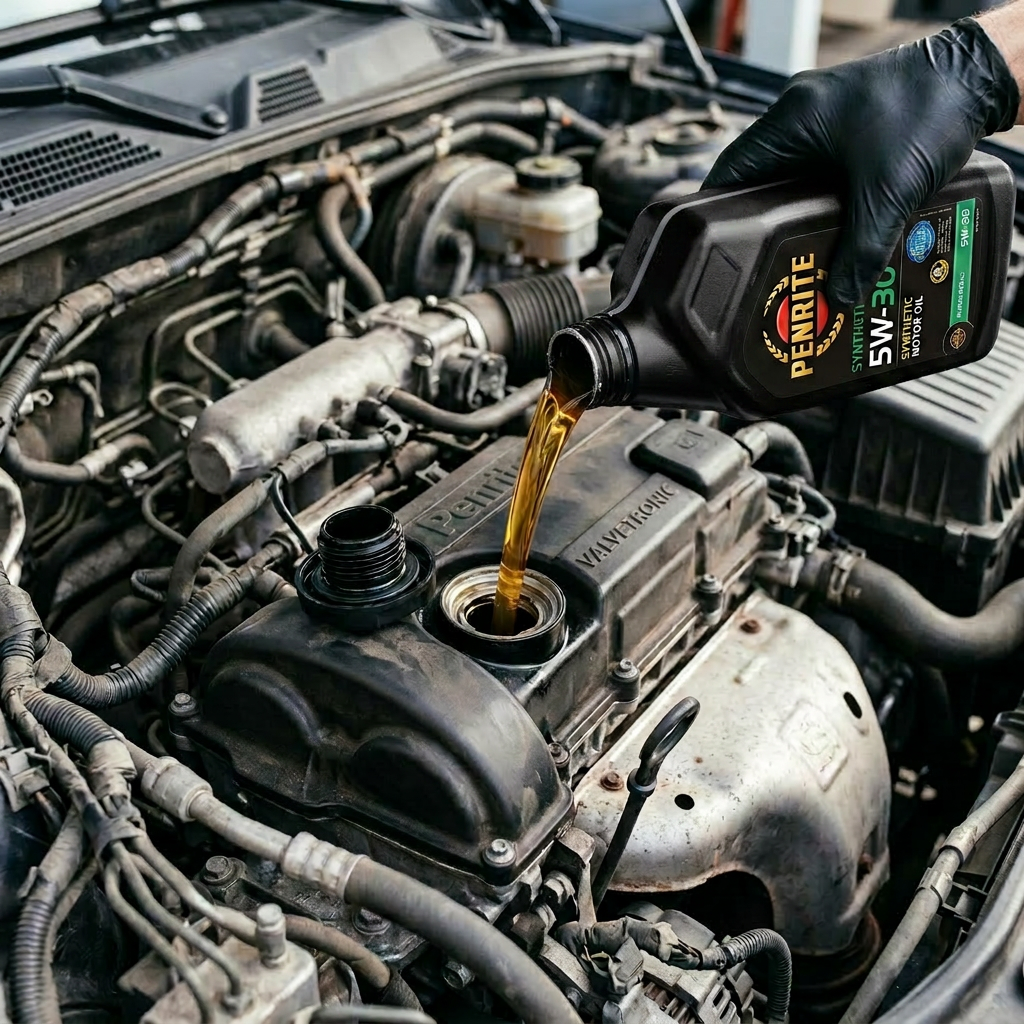
One of the most common questions we hear at Mac’s Muffler Geebung is:
“How often should I service my car?”
Closely followed by:
“Is it really that bad if I delay a service for a few months?”
The short answer? Yes — regular servicing is one of the most important things you can do to protect your vehicle and avoid expensive repairs down the track.
After more than 30 years in the automotive industry, we’ve seen firsthand what happens when routine servicing gets ignored. Small maintenance items turn into major mechanical problems, and what could have been a simple service becomes a costly repair bill.
Why Regular Car Servicing Matters
Your vehicle is full of moving components that rely on clean fluids, proper lubrication and regular inspections to keep working correctly.
Engine oil, for example, doesn’t last forever. Over time and kilometres travelled, oil begins to break down and lose its ability to properly protect your engine.
Once that happens, internal engine wear increases significantly.
And it’s not just engine oil.
Coolant, brake fluid, filters, transmission oil, spark plugs and belts all wear out over time. Ignoring these service items can lead to:
- Reduced fuel efficiency
- Poor performance
- Increased wear and tear
- Unexpected breakdowns
- Expensive mechanical repairs
- Shortened engine life
Routine servicing helps catch problems early before they become serious.
So, How Often Should You Service Your Car?
Every manufacturer provides a recommended service schedule in your logbook, and that should always be your starting point.
However, many drivers either don’t check the logbook or aren’t sure what all the intervals and service items actually mean.
To make things simpler, here’s a general servicing guide that suits many vehicles on Australian roads.
Car Service Intervals Guide
Every 10,000km or 6–12 Months
These are your routine servicing items and are critical for keeping your engine healthy.
Typically includes:
- Engine oil replacement
- Oil filter replacement
- Vehicle safety inspection
- Fluid level checks
- Tyre inspection
Some newer vehicles may have longer factory intervals, but regular inspections are still important.
Every 40,000km or Around 2 Years
At this stage, more components begin showing signs of wear and should be inspected or replaced.
Common service items include:
- Air filter
- Cabin air-conditioning filter
- Brake fluid
- Brake inspection
- Coolant flush
- Differential oil
- Spark plugs
- Manual transmission service
- Tyre rotation and wheel alignment
These services help maintain performance, fuel economy and reliability.
Every 60,000–80,000km or 3–4 Years
This is where bigger maintenance items often appear.
Common services include:
- Automatic transmission service
- Fuel filter replacement
- Battery replacement
Transmission servicing is especially important and often overlooked. Neglecting it can lead to expensive gearbox repairs later on.
Every 80,000–120,000km or 4–6 Years
These are often referred to as the “major service” intervals.
Items may include:
- Timing belt replacement
- Water pump replacement
- Clutch replacement (manual vehicles)
- Platinum spark plugs
- Wiper blade replacement
Timing belts are particularly important. If a timing belt fails, severe engine damage can occur almost instantly.
Every 120,000km or Around 6 Years
By this point, suspension components may begin showing wear.
This can include:
- Shock absorbers or struts
- Suspension inspections
- Steering component checks
Worn suspension affects handling, braking and tyre wear, even if the vehicle still feels “fine” to drive.
Your Driving Style Matters More Than You Think
Not every vehicle wears at the same rate.
Your driving habits have a huge impact on how often your car should be serviced.
Drivers Who May Need More Frequent Servicing
You may need shorter service intervals if you:
- Mainly drive short distances
- Spend lots of time in stop-start traffic
- Frequently tow or carry heavy loads
- Rarely drive on highways
- Drive in extreme heat
- Do regular city driving
These conditions put extra stress on engine oil, brakes, batteries and cooling systems.
Drivers Who May Follow Standard Intervals
Vehicles driven mostly on highways with longer trips and steady driving conditions generally experience less wear and may comfortably follow manufacturer-recommended intervals.
Don’t Ignore the Warning Signs
If your car starts making unusual noises, feels sluggish, uses more fuel, struggles to start or shows warning lights on the dashboard, it’s best to get it checked sooner rather than later.
Catching a problem early is almost always cheaper than waiting for something to fail completely.
The Bottom Line
Regular servicing is one of the best investments you can make in your vehicle.
Keeping up with maintenance helps:
- Extend engine life
- Improve fuel efficiency
- Reduce breakdown risk
- Maintain resale value
- Save money on major repairs
At Mac’s Muffler Geebung, we’ve been helping Brisbane drivers keep their vehicles reliable and roadworthy for over 30 years.
If you’re unsure when your next service is due, or you’d like experienced advice tailored to your vehicle and driving habits, our team is always happy to help.
Leave a Reply